
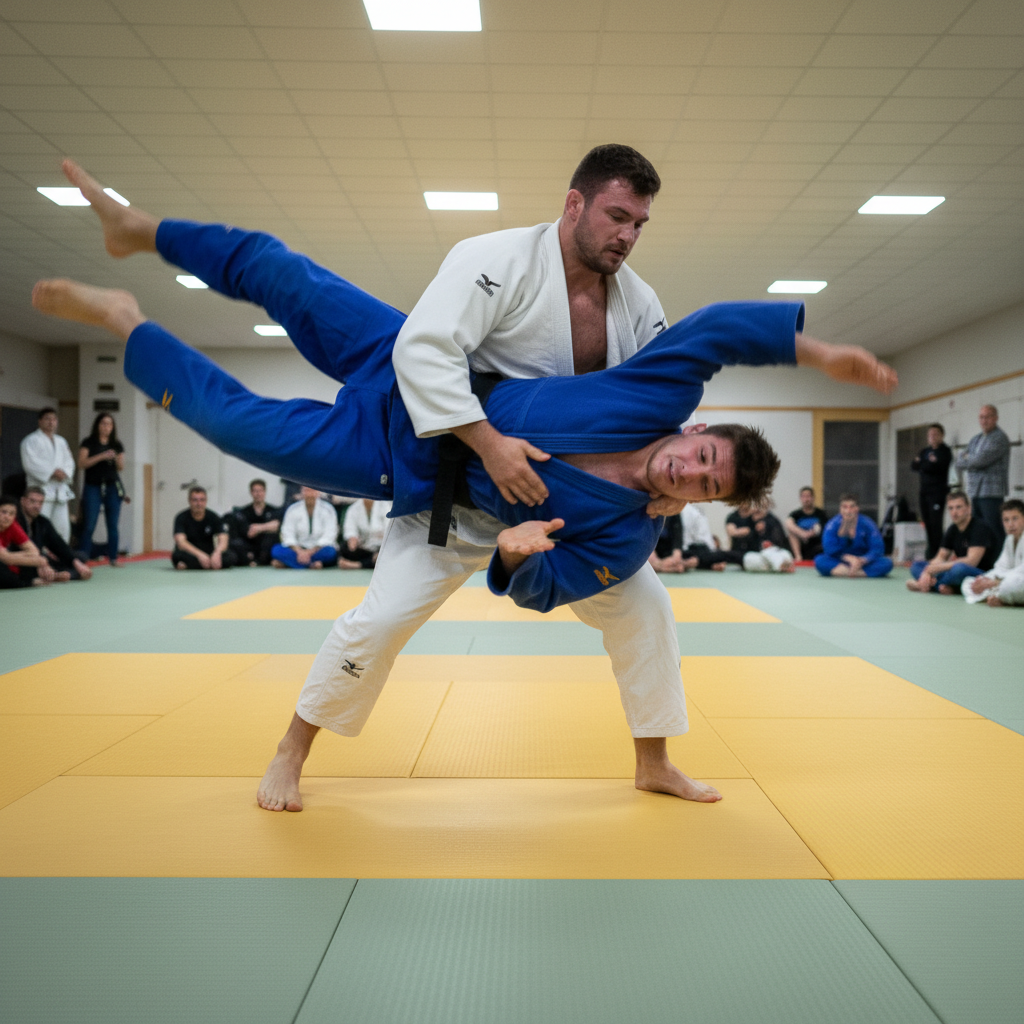
The Mat
Doesn't
Lie.
Judo & wrestling in Phoenix — for the eight-year-old who needs focus, the wrestler who needs grip, and the adult who needs to stop thinking.
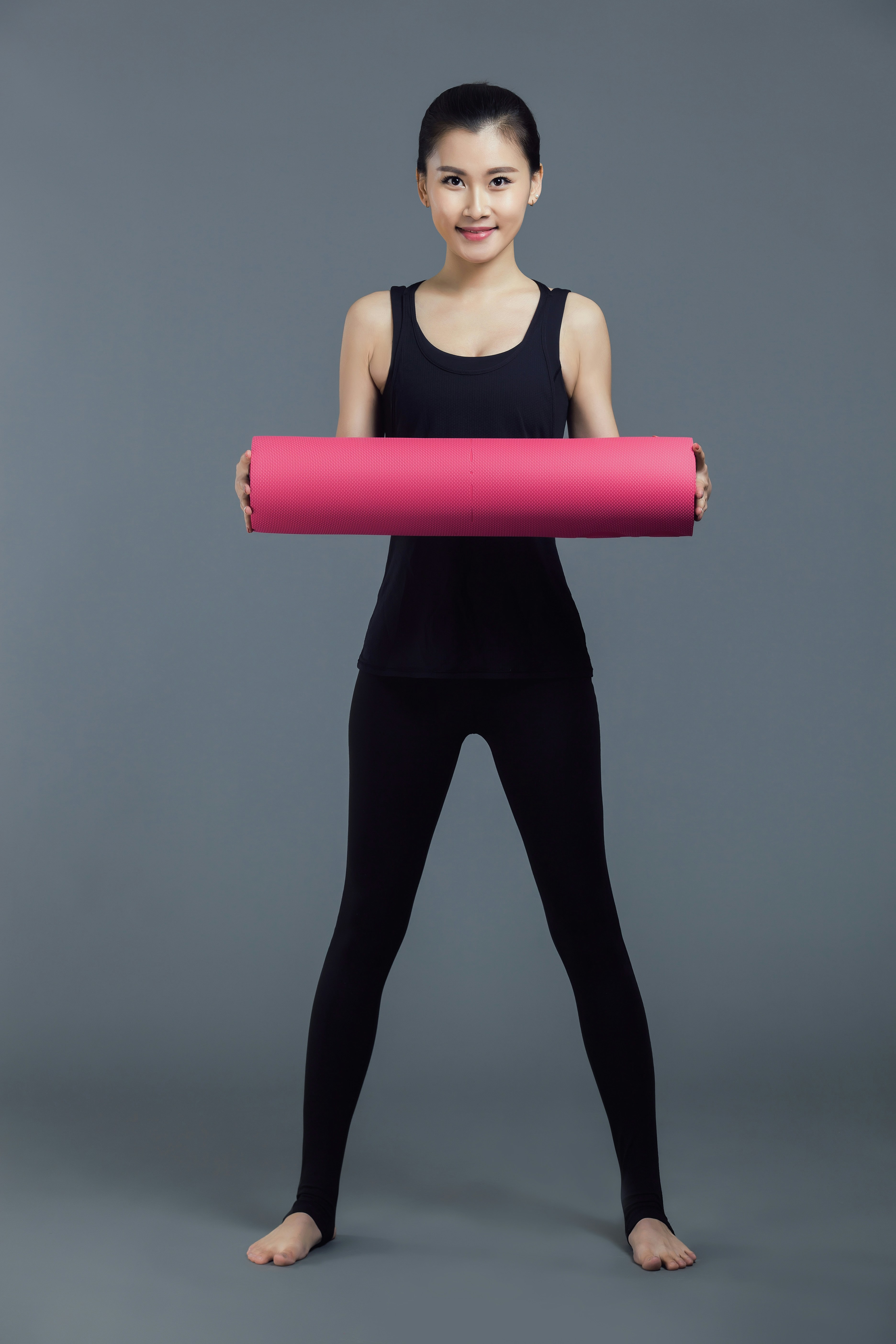
"I came for fitness. I stayed because my daughter started bowing to her teachers at school."
First class free. No gear needed.
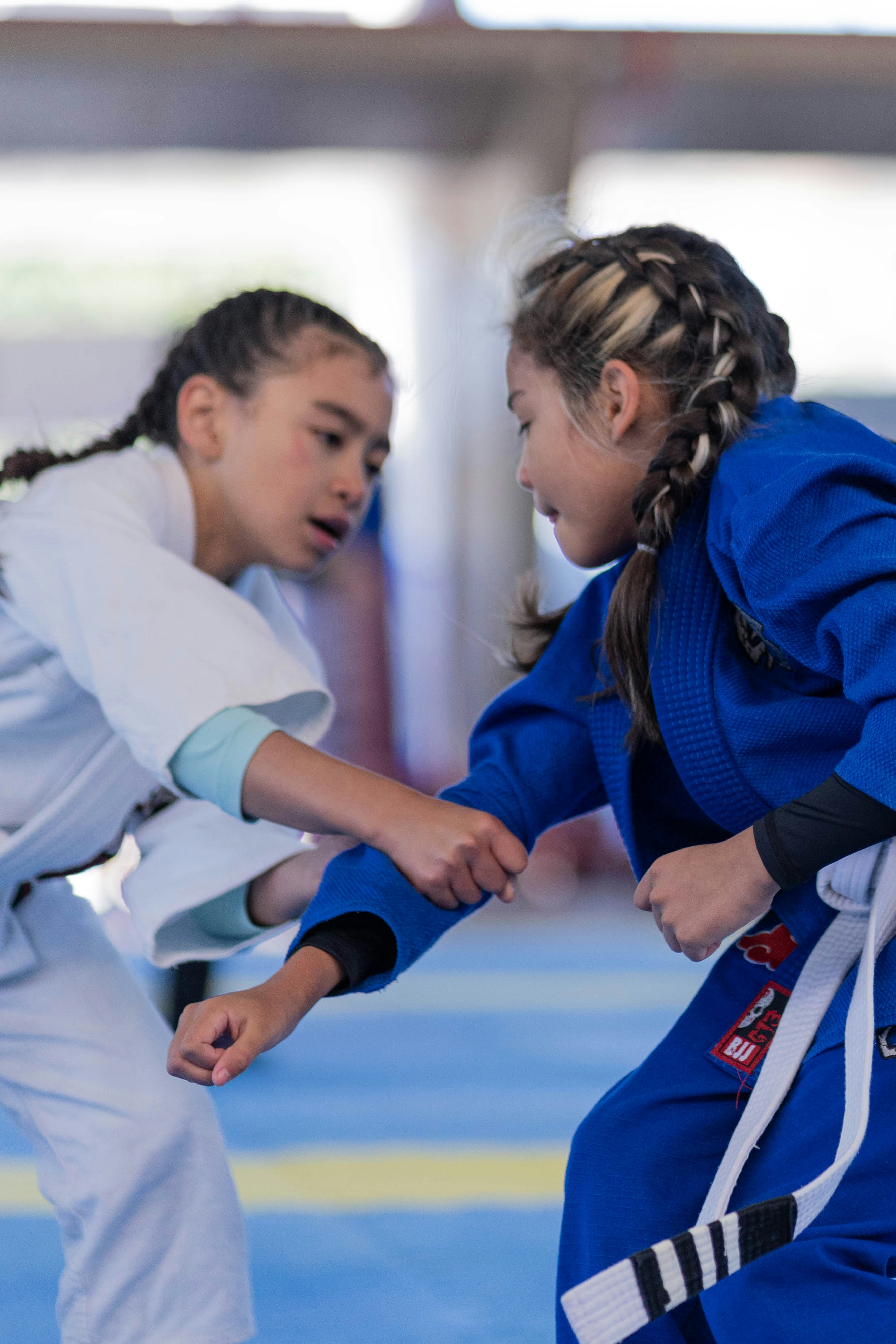
Tiny gis.
Enormous focus.
Before most kids have finished breakfast, ours are on the mat. The 6 AM children's class isn't about trophies — it's about standing up after a fall, looking your partner in the eye, and bowing before you walk away. Those habits follow them to school desks and dinner tables.
- Ages 5–12, all experience levels welcome
- USA Judo certified coaches — 1 per 6 students
- Belt promotion every 8–12 weeks based on readiness
- Uniform loaner program for first month
Where wrestlers learn to hold
and judoka learn to shoot.
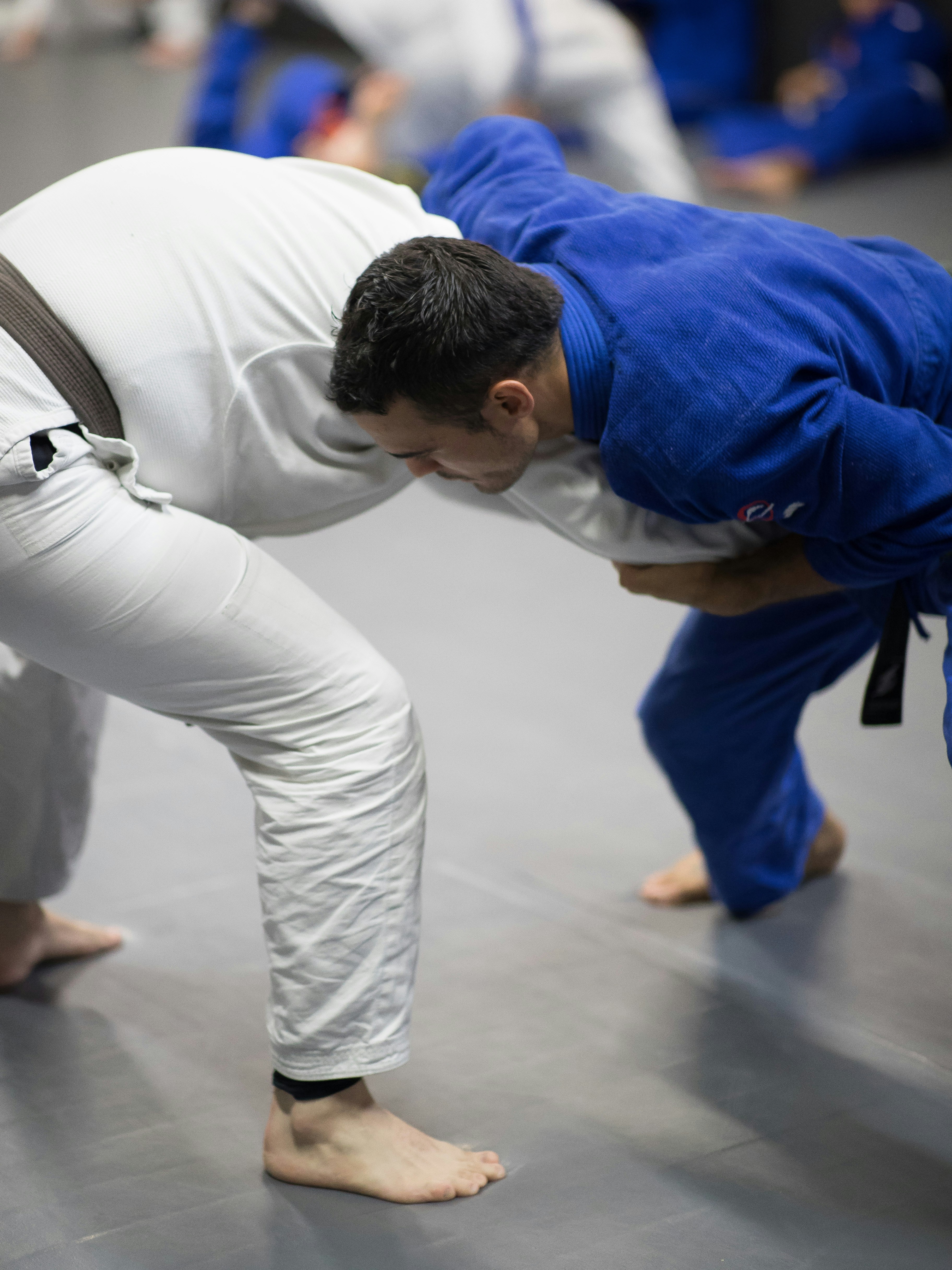
Technique Exchange
Open mat is uncoached, unscripted. A Division II wrestler drills double-legs with a brown belt judoka who's never shot in his life. Both leave better.
Who Shows Up
- College wrestlers (off-season)
- Judo competitors drilling ne-waza
- BJJ practitioners cross-training grips
- Coaches prepping tournament rosters
"I came in as a wrestler who couldn't be thrown. Three months of open mat and I've got a half-decent seoi-nage. My takedown defense is also completely different now."— Marcus T., junior college wrestler, cross-training 6 months
By 7:15 you're not thinking
about anything else.
The evening adult class builds for two hours toward live randori. You can't carry your inbox onto the mat. The moment you stop paying attention, you're on your back.
Technique drills
Uchi-komi, repetition until the throw is instinct
Situational randori
Controlled scenarios — grip fights, mat edge, newaza transitions
Live sparring
Full randori. Coaches watch. Nobody coaches from the sideline.
Cool-down & review
One thing you did right. One thing to fix. Then bow out.
9:30 PM — After the Last Class
The coaches reset the mats, hang fresh belts on the rack, and write notes about who's ready to grade. No one rushes. The dojo doesn't close — it just gets quiet. It'll be loud again at 5:45 AM.
The mat is
already warm.
Your first class is free. No uniform required — just show up, bow in, and see if this is the thing you've been missing.
What to expect